Access appointments sooner
Explore available appointments at specialist cardiac CT centres, with the examination and earliest suitable date confirmed before booking.
Assess your coronary arteries with a specialist heart CT examination. Your care includes a medical consultation, a written specialist report and a follow-up appointment to explain your findings, with optional coronary inflammation and plaque analysis where available.
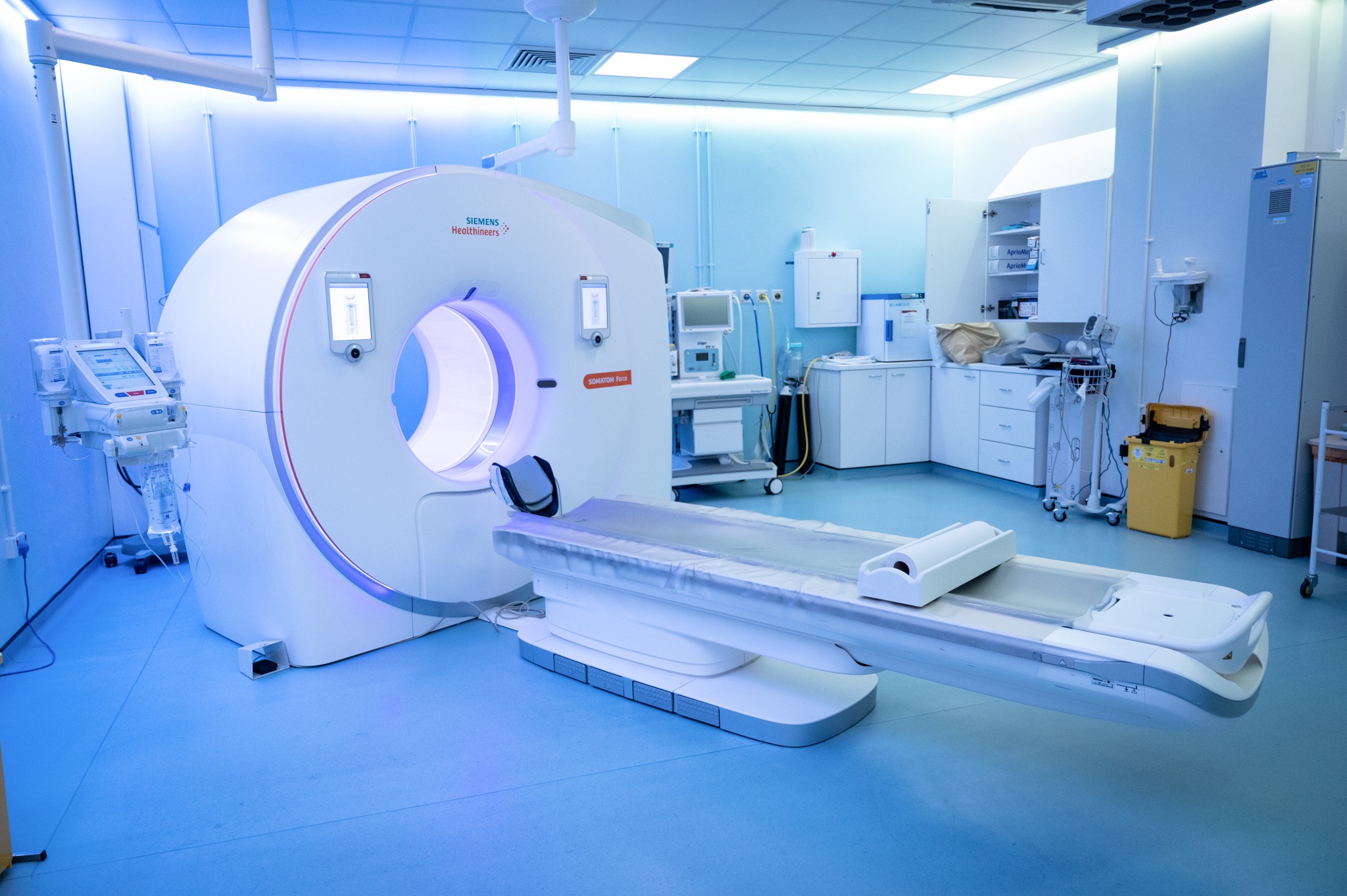
Access a specialist examination with clinical guidance before your scan, clear reporting and a follow-up consultation to help you understand the results.
Explore available appointments at specialist cardiac CT centres, with the examination and earliest suitable date confirmed before booking.
Choose from participating centres and appointment times, with preparation and any practical requirements explained in advance.
Your booking includes a medical consultation. A written referral is prepared where cardiac CT is clinically appropriate.
Your chosen examination, any additional analysis and the total price are confirmed before you proceed. CT coronary angiography starts from £1,095 and calcium scoring from £445.
Options include participating centres in London Fitzrovia, Milton Keynes and Manchester Salford, subject to the examination required.
Your scan is reviewed by a specialist in cardiac CT, with a written report and a medical consultation to explain the findings and next steps.
Cardiac CT uses X-rays and computer processing to create detailed images of the heart and selected surrounding blood vessels. It includes different examinations, each designed to answer a particular clinical question.
A CT coronary angiogram, also called CTCA or CCTA, uses an injection of contrast into a vein to show the coronary arteries that supply blood to the heart muscle. It can help assess plaque, narrowing and other relevant features of these vessels.
A coronary artery calcium score is a different, usually non-contrast examination. It measures calcified plaque and may help assess cardiovascular risk in selected patients. It does not provide the same information as a contrast-enhanced CT coronary angiogram.
Your clinician will help determine which examination is appropriate. You can also read our cardiac CT body-part guide and coronary calcium scoring guide.
Coronary artery disease can develop before symptoms become obvious. Plaque may be present even when it has not caused a major narrowing, and inflammation can contribute to the disease process.
CTCA provides information about the coronary arteries at the time of the examination. Where available and appropriate, additional analysis of the existing images can provide more detailed information about plaque or markers associated with coronary inflammation.
These findings are considered alongside your symptoms, blood pressure, cholesterol, family history and other clinical information. They support medical decisions but cannot predict an individual outcome with certainty or replace a full clinical assessment.
Your doctor will advise on the appropriate scan and whether additional analysis would be useful. The prices below are starting prices; your chosen examination and total cost are confirmed before you book.
These analyses use suitable images from an existing CT coronary angiogram. They complement the specialist CTCA report and do not require another scan solely to perform the analysis.
CaRi-Heart uses AI-enabled image analysis to assess changes in the tissue around coronary arteries that are associated with coronary inflammation. This includes an FAI-Score, or Fat Attenuation Index score.
The analysis can provide an individualised estimate of future cardiovascular risk, including the risk of a fatal cardiac event over a defined period. Your clinician will explain the assessment, its limitations and what it may mean for your care.
CaRi-Plaque provides quantitative information about the amount and composition of coronary plaque. It can help characterise plaque within the arteries and assess the degree of narrowing.
The additional detail may support discussion of cardiovascular risk and preventive care. The findings must be interpreted by a clinician alongside your CTCA report and medical history.
Caristo Diagnostics develops the technology behind these analyses. Availability, suitability, any additional cost and reporting arrangements are confirmed before booking. The analyses support clinical assessment and do not replace the standard cardiac CT report.
Your centre will provide instructions specific to your examination. These may cover caffeine, nicotine, eating, drinking and medicines. Do not apply a single fasting or medication schedule to every scan; follow the instructions you are given.
Provide a complete medicine list, including sildenafil, tadalafil or similar medicines, heart-rate or blood-pressure treatment and diabetes medicines. Some drugs can interact with medicines used during CTCA. Your clinician must advise on any changes; do not stop prescribed treatment on your own.
Tell the team about pregnancy or possible pregnancy, previous contrast reactions, kidney or thyroid disease, asthma and relevant heart conditions. A recent kidney-function blood test may be needed before iodinated contrast is given.
Wear comfortable clothing and avoid metal items around your chest. ECG electrodes need good skin contact, so a small area of chest hair may need to be clipped or shaved. Ask for advice if preparation instructions could affect a medical condition.
A radiographer and the cardiac imaging team explain the examination and complete the relevant checks. For CTCA, a cannula is placed in a vein and ECG electrodes are attached to help time the images with your heartbeat.
You lie on the CT table, usually with your arms raised if you can do so comfortably. You may receive medicine to slow the heart rate or widen the coronary arteries when appropriate, followed by contrast to show the vessels clearly.
The table moves through the scanner and you may be asked to hold your breath briefly. Image acquisition can be very quick, but allow longer for preparation, medication to take effect and any observation afterwards.
Calcium scoring follows a different protocol and usually does not need intravenous contrast. Your team will explain which steps apply to your agreed examination.
You may be asked to remain at the centre for observation after contrast or medication. The time needed depends on the treatment given, your response and the centre’s protocol.
You can usually eat and drink afterwards as advised. Maintain your usual fluid intake unless you have been given different instructions or have a prescribed fluid restriction.
Medicines used during CTCA can sometimes cause light-headedness, a headache or a change in blood pressure. Tell the team if you feel unwell. Follow their advice about driving and arranging someone to take you home; do not drive if you are dizzy or otherwise impaired.
Your results are usually available within three working days of your scan. Your images are reviewed by a specialist in cardiac CT, such as a consultant cardiologist or cardiac radiologist, who prepares a written report. More complex examinations may require additional review and take slightly longer.
A post-scan consultation is then arranged with the same medical doctor who conducted your pre-scan consultation. Your doctor will explain the findings in detail, answer your questions and discuss any necessary next steps, including specialist review where appropriate.
Your report and digital images are available for onward care where required. If CaRi-Heart or CaRi-Plaque is included, its findings are discussed alongside the CTCA report. Any separate analysis timetable is confirmed before booking, and urgent findings are managed through the appropriate clinical escalation process.
Our medical team helps arrange the referral and confirms the appropriate examination before you proceed.
Tell our team your concerns and the cardiac examination you are considering.
Review your symptoms and history so an appropriate referral can be prepared.
Agree the scan, optional analyses, centre, price and preparation.
Attend your specialist examination and follow the centre’s aftercare advice.
Discuss your report and any recommended next steps with your original doctor.
Our team can explain the scan options and help confirm the right next step.
Contact our teamYou do not need to obtain a referral from your usual GP beforehand. Your booking includes a medical telephone consultation to review your symptoms, relevant history and reason for the examination. A written referral is prepared where cardiac CT is clinically appropriate, subject to the centre’s clinical and safety checks.
CT coronary angiography starts from £1,095 and coronary artery calcium scoring from £445. The combined CTCA and calcium-scoring option starts from £1,540. CTCA with CaRi-Heart starts from £1,495, with CaRi-Plaque from £1,595, or with both analyses from £1,745. These are starting prices; your chosen examination, inclusions and total cost are confirmed before booking.
Your booking includes a pre-scan medical telephone consultation, a written referral where appropriate, the agreed examination at your chosen centre and a specialist imaging report. Digital images are available where required. A post-scan consultation is arranged to explain your findings and any necessary next steps. Additional analyses are included only when specifically agreed.
No. CT coronary angiography uses a CT scanner and contrast injected into a vein, usually in your arm. Invasive coronary angiography involves passing a catheter through an artery towards the heart. The tests have different uses, benefits and risks; your clinician will advise which is appropriate.
No. A coronary calcium score measures calcified plaque and usually does not use contrast. CTCA uses contrast to assess the coronary artery lumen and plaque in more detail. They answer different clinical questions and are not interchangeable. A zero calcium score does not rule out all coronary disease.
Your clinical team will review your medicine list and provide individual instructions. Tell them about sildenafil, tadalafil and similar medicines, as these can interact with nitrates sometimes used during CTCA. Also disclose heart-rate medication and diabetes treatment. Do not change prescribed medicines without advice from your clinician or scanning team.
Cardiac CT uses ionising radiation, so the expected benefit must justify the exposure. CTCA generally also uses iodinated contrast, which can cause a reaction and needs particular consideration in people with kidney problems. Medicines used to improve the scan can have side effects or interactions. Your team assesses these factors and explains the risks relevant to you before proceeding.
Usually no additional scan is needed solely for these analyses: they use suitable images from your CT coronary angiogram. Image quality, protocol and clinical eligibility must meet the analysis requirements. These options are not performed from a calcium-score scan alone.
CaRi-Heart analyses suitable CTCA images for markers associated with coronary inflammation, including an FAI-Score, and provides an individualised risk assessment. It supports a clinician’s interpretation and does not predict with certainty whether an event will occur.
CaRi-Plaque provides additional quantitative detail about coronary plaque, including its volume, composition and associated narrowing. Your clinician interprets this information alongside the standard CTCA report and your other cardiovascular risk factors.
A combined option can include both analyses alongside CTCA where available and clinically appropriate. The centre, image requirements, price and reporting arrangements are confirmed before booking.
The scan images may be acquired within a short time, but the overall visit includes safety checks, cannula placement for CTCA, any heart-rate medication and observation afterwards. Your centre will confirm the expected appointment length and arrival time.
The specialist scan report is usually available within three working days of your scan. More complex examinations may take slightly longer. A follow-up consultation with your original doctor is arranged to explain the findings. If additional analysis has a separate reporting timetable, we will explain this before booking.
Caristo Diagnostics develops AI-enabled cardiac image-analysis technology, including CaRi-Heart and CaRi-Plaque. These tools analyse suitable CTCA images to provide clinicians with additional information about coronary inflammation, plaque and cardiovascular risk. Their reports complement the standard cardiac CT interpretation.
Discuss your concerns with our medical team and explore the appropriate heart CT examination. We will explain the available options, confirm the price and support you through your results and next steps.
Book Cardiac CT Scans