For patients looking to remove moles for aesthetic reasons
Includes assessment of the mole, discussion of the most suitable removal method, expected outcome, recovery and the procedure costs that would apply if you choose to proceed.
Please note: the £195 fee is for the initial consultation. Any removal procedure is charged separately.
We offer mole removal treatments performed by highly experienced Consultants and Plastic Surgeons, ensuring the best possible cosmetic outcome. Whether you’re looking to remove moles for aesthetic reasons, because they’re a nuisance, getting caught on clothing or jewellery, or simply for practical comfort, our expert team delivers safe, precise, and minimally invasive care tailored to your needs.
The first step in any nuisance mole removal procedure is an Initial Consultation with one of our leading consultants. This consultation costs £195 and lasts approximately 15 minutes.
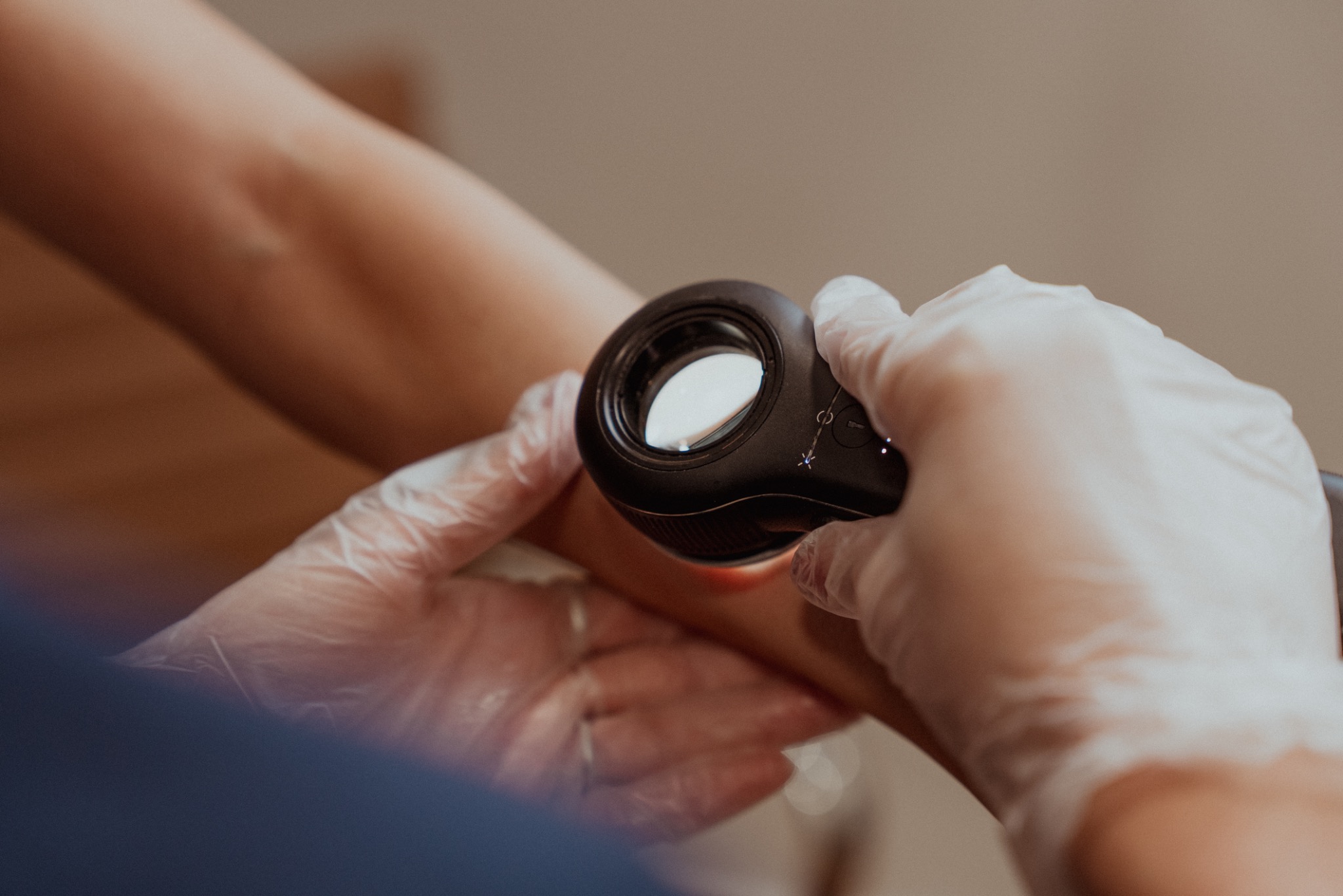
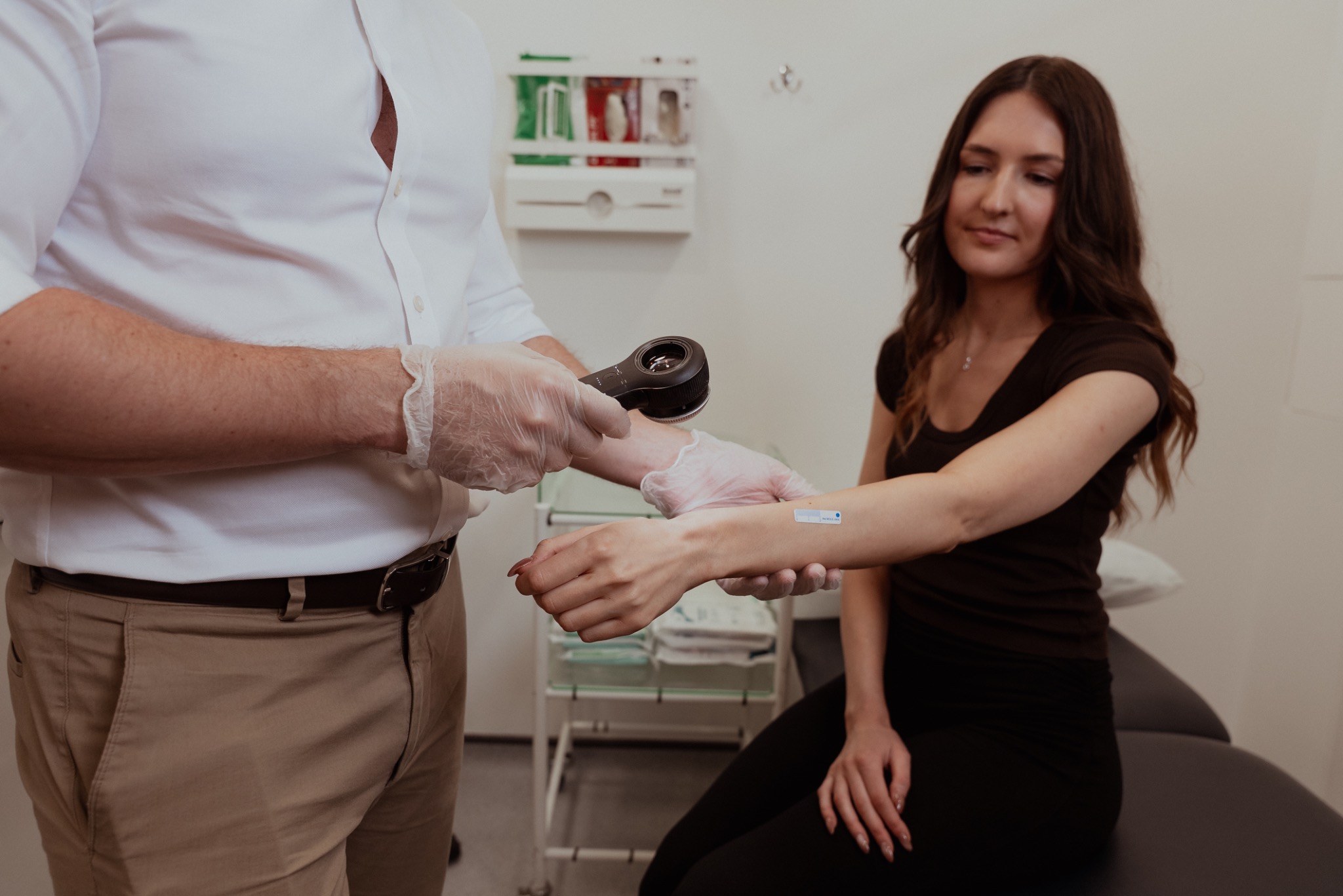
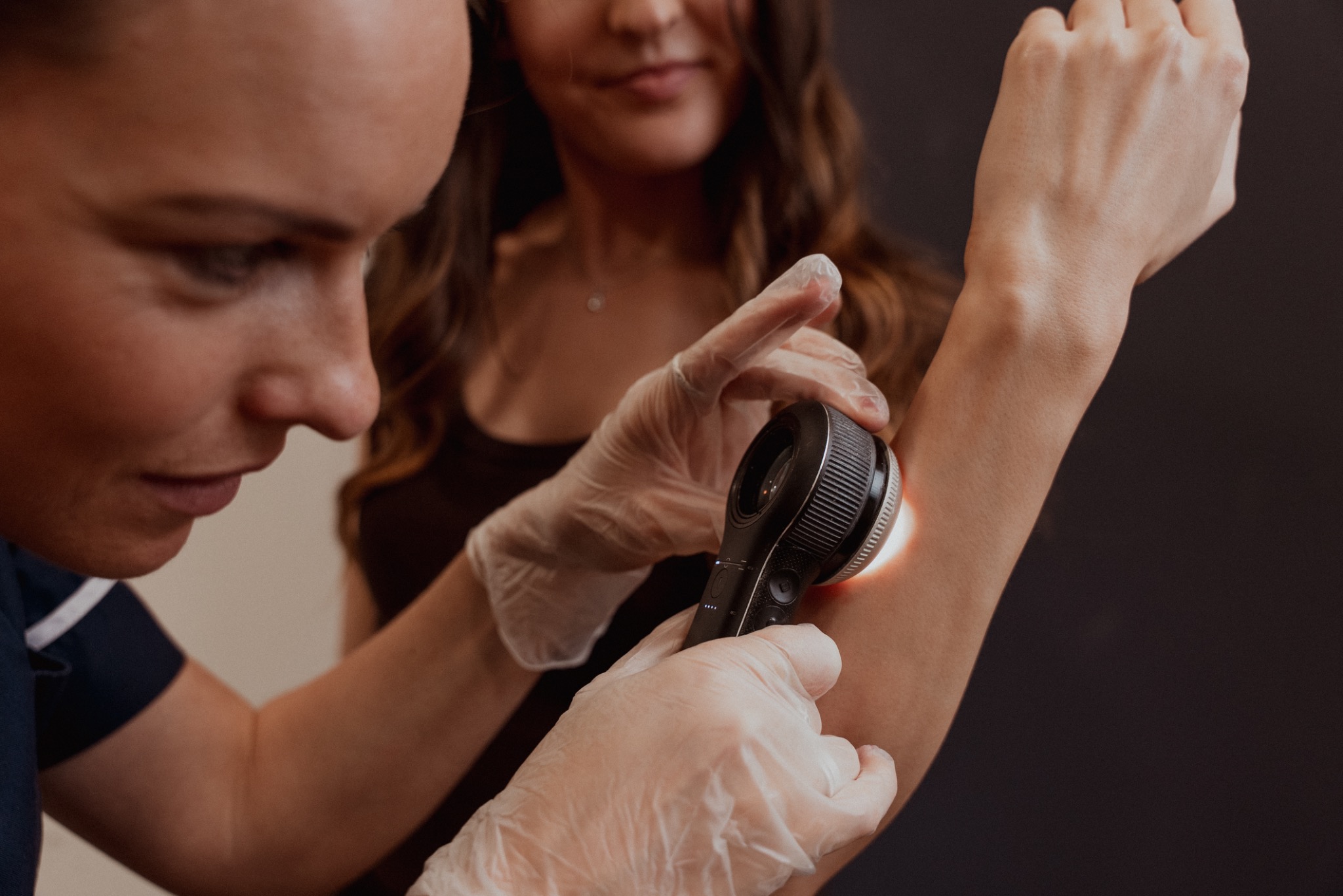
During your consultation, the consultant will:
For your peace of mind, we offer a 14-day cooling-off period before proceeding with any cosmetic surgical procedure. This allows you time to reflect, ask questions, and make a fully informed decision.
However, if you feel ready to proceed on the same day—and the consultant agrees it is clinically appropriate—you may choose to waive this period. In this case, you will be asked to sign a statement confirming that the cooling-off period was offered and you have chosen to proceed without delay.
The consultation and procedure typically take around 45 minutes in total. Additional surgery fees apply only if you decide to proceed with the removal, as outlined below. Your consultant will guide you in choosing the most appropriate method for removal.
Before any mole removal an Initial Consultation with one of our experienced consultants is essential and costs £195. During this consultation recommended procedure costs will be discussed. Our procedure costs start from £195.
| Procedure | Price |
|---|---|
| Excision or Punch with Sutures (Face/Head/Neck) | £895 |
| Excision or Punch with Sutures (Other Body Areas) | £795 |
| Shave Excision | £695 |
| Curettage & Cautery | £375 |
| Cryotherapy | £195 |
Common questions about moles and cosmetic removal.
A common mole, or melanocytic naevi, is a coloured spot on the skin that develops when pigment cells called melanocytes grow in clusters. Although common moles may be present at birth, they usually appear later in childhood and increase during teenage years – most adults usually have between 10 and 40 on their body. During pregnancy, moles often get darker and they can fade away completely from around the age of 50.
Should you want a benign mole, cyst or other lesion removed for aesthetic reasons, you can book treatment with one of our leading plastic surgeons through our specialist skin cancer service.
The consultant will check your mole to decide if a biopsy is necessary, discuss the recommended procedure and costs, recovery, likely outcomes, and any risks and complications.
If you decide to go ahead with the procedure, we will book you in as soon as possible. The consultation and procedure normally take around 45 minutes in total.
Our expert Consultants and Plastic Surgeons use safe and effective techniques to remove moles for both medical and cosmetic reasons. The method used depends on the type, size, location, and nature of the mole.
Moles that protrude from the skin can be ‘shaved’ off under local anaesthetic. A surgical blade is used to remove the mole down to slightly beneath the surface of the skin leaving a pink indent that should fade with time.
Most suitable for larger moles where regrowth is a concern. Excision is performed under local anaesthetic and involves the surgical removal of the mole along with a small border of normal surrounding skin. This procedure requires a stitch to close the skin, leaving a small scar that will fade over time.
Electrocautery can be used to remove skin tags. Your doctor applies a heated coil to the base of the lesion to remove it. You may also have electrocautery to stop bleeding after other types of treatment.
You may have this treatment for actinic keratoses or seborrhoeic keratoses. The consultant uses a curette ‘spoon’ to gently scoop away the lesion. You may have electrocautery (heat treatment) afterwards, to stop any bleeding.
Arrange an initial consultation with an experienced Consultant or Plastic Surgeon to discuss the appropriate removal method, costs, recovery, likely outcome and potential risks.
Book now